
-

Vitamin B3 (Niacin): what it is, role and uses nicotinic acid
Vitamin B3, or niacin, is one of several essential vitamins that your body needs to properly function. It helps to support energy release, reduce tiredness and fatigue and supports normal psychological function.Read more -

Healthy Cholesterol Level Management nicotinic acid
Vitamin B3 is an essential nutrient for humans that has many specific forms. The pure form of vitamin B3 has the chemical formula C6H5NO2, which is also known as niacin and nicotinic acid.Read more -

Niacin Benefits: 9 Reasons You Need Vitamin B3 nicotinic acid
Niacin is an incredibly important water-soluble vitamin that plays a role in many aspects of health, from brain function to heart health and beyond. Although associated with a number of potential niacin side effects, it’s also one of the few micronutrients frequently prescribed by physicians to treat health concerns like high cholesterol, skin conditions, schizophrenia and more — through both supplementation and niacin foods.Read more -

The vitamins information pages - Vitamin B3 (niacin)
Vitamin B3, generally referred to as niacin, is a water-soluble vitamin. This vitamin can generally be found in two distinctive forms, namely nicotinic acid and nicotinamide. These substances are used by the body to form the coenzymes NAD and NADP. Niacin coenzymes degrade carbohydrates, fats, proteins and alcohols and synthesize fatty acids and cholesterol. They play a role in cell signaling.Read more -

About NICOTINIC ACID nicotinic acid
NICOTINIC ACID belongs to the group of vitamin supplements primarily used to treat niacin (Vitamin B3) deficiency, which can happen due to a disease called pellagra, alcoholism or the use of certain drugs.Read more -

Niacinamide: Benefits, Uses and Side Effects nicotinic acid
Niacinamide is one form of vitamin B3 (niacin) that plays an important role in energy metabolism and cell health. It may offer benefits related to skin care and skin cancer, as well as chronic kidney disease and type 1 diabetes.Read more -

Niacin (Vitamin B3) nicotinic acid
Having enough niacin, or vitamin B3, in the body is important for general good health. As a treatment, higher amounts of niacin can improve cholesterol levels.Read more -

Indication: What nicotinic acid is used for nicotinic acid
Everyone has cholesterol in their blood. It is a type of blood fat needed by the body for many things, such as making bile acids (which help to digest food) and some hormones. Some people have a family history of high cholesterol.Read more -

Niacin – Vitamin B3 Quinoline
Niacin, or vitamin B3, is a water-soluble B vitamin found naturally in some foods, added to foods, and sold as a supplement. The two most common forms of niacin in food and supplements are nicotinic acid and nicotinamide.Read more -
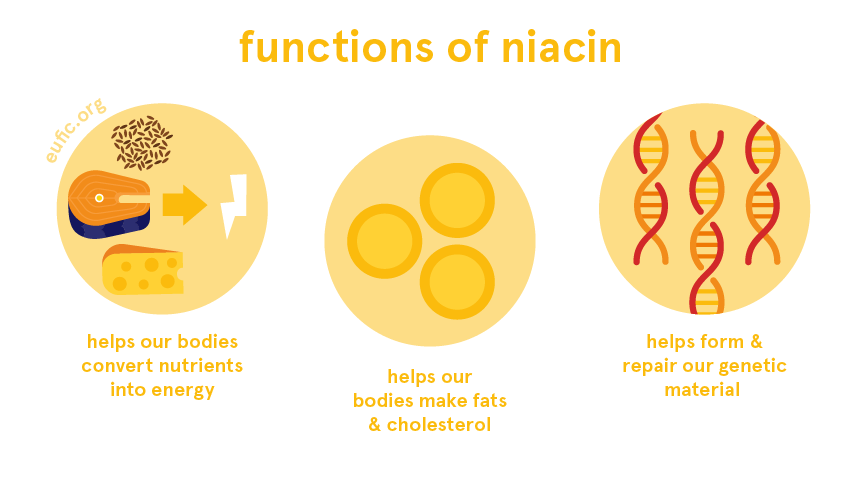
Niacin: foods, functions, how much do you need & more Quinoline
Niacin is a vitamin with two forms: nicotinamide and nicotinic acid. They sound similar to the addictive chemical in tobacco – nicotine - so be careful not to confuse them!Read more -

Quinolones: Uses, common brands, and safety info Quinoline
When an infection occurs, an antibiotic may be required to quickly and effectively treat the infection. But sometimes certain infections may be unusually complicated to treat. This is when the quinolone class of antibiotics may be the best choice.Read more -

The arrhythmogenic cardiotoxicity of the quinoline and structurally related antimalarial drugs
Several quinoline and structurally related antimalarial drugs are associated with cardiovascular side effects, particularly hypotension and electrocardiographic QT interval prolongation. A prolonged QT interval is a sensitive but not specific risk marker for the development of Torsade de Pointes—a potentially lethal polymorphic ventricular tachyarrhythmia.Read more
 English
  Arabic
  Bengali
  French
  Indonesian
  Italian
  Portuguese
  Russian
  Spanish
  Vietnamese