
-
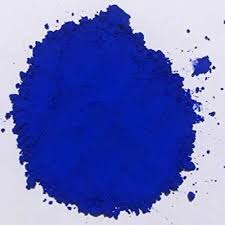
Color in Renaissance Painting
Can you imagine a world without any colors in it? What would you miss seeing in color most? A person? An animal? A place? A favorite toy? Take a look around you. How many different colors do you see?Read more -
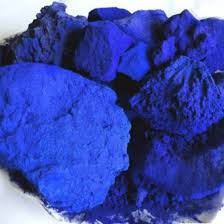
History of the Colour Blue in Art
The colour blue has long been associated with the arts, from the Renaissance to contemporary times. In ancient Egypt, blue was often associated with the sun god Ra and the afterlife.Read more -
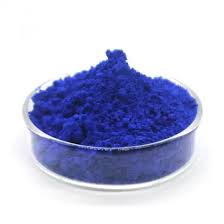
What are cyanine dyes? Cyanine blue pigment
Cyanine dyes are a class of dyes that can increase the photosensitivity of photosensitive materials. In 1873, it was discovered that the addition of cyanine dyes to silver bromide emulsions can make the emulsions produce new photosensitivity in the spectral region absorbed by the dyes.Read more -
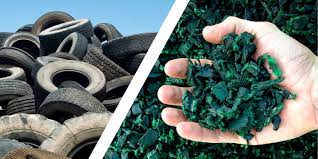
What Is The Purpose Of Vulcanized Rubber?
The history of vulcanized rubber spans thousands of years, from ancient Latin American civilizations to modern-day tire manufacturing. Along the way, notable figures such as Charles Goodyear and Charles Macintosh aided in its development. Arnaud B.Read more -
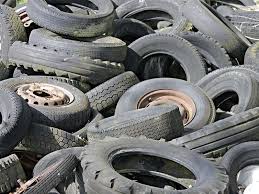
What is Vulcanized Rubber? cr rubber
Rubber is often processed with heat and sulfur during production to improve its physical properties. A process known as vulcanization, it makes the rubber stronger as well as more elastic. From tires and footwear to keypads and gaskets, countless products are made of vulcanized rubber.Read more -
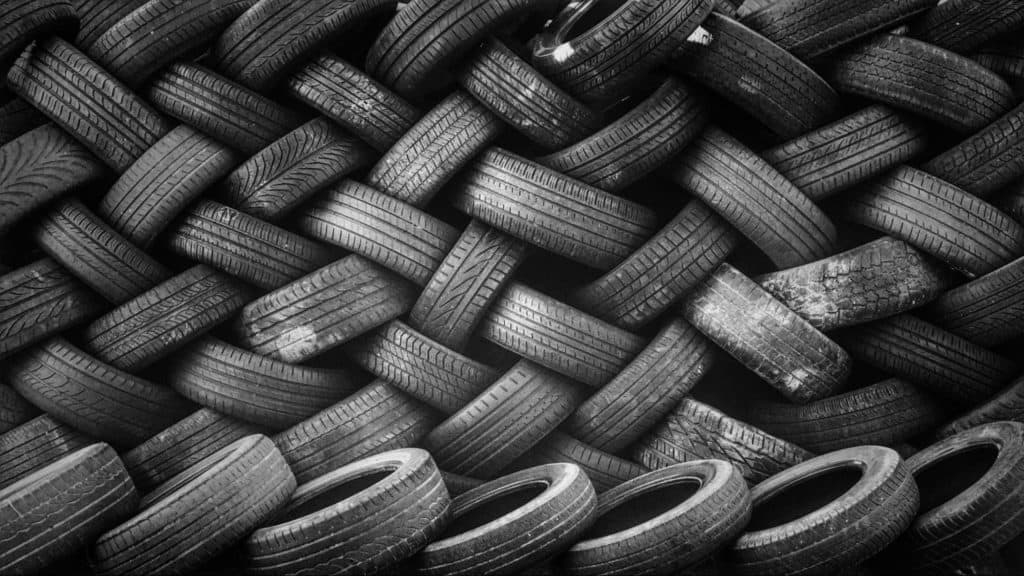
What is Vulcanization and Vulcanized Rubber? cr rubber
Vulcanized rubber is much stronger than traditional rubber. It can withstand greater pressure and stress and is much more elastic, which is why many manufacturers prefer using vulcanized rubber in their businesses.Read more -
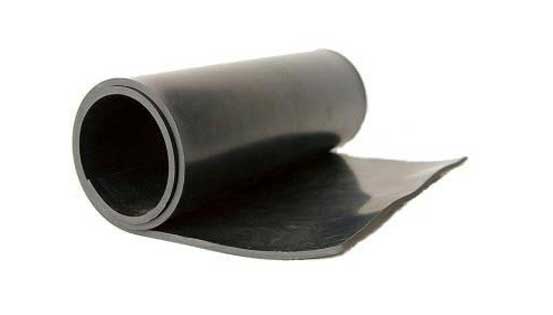
Polychloroprene Rubber (CR)/ Neoprene
Polychloroprene rubber or neoprene has more than 75 years of proven performance in varied industrial applications. Neoprene, an extremely useful synthetic rubber, is the DuPont Performance Elastomer's trade name for a family of polychloroprene rubber (CR).Read more -
Neoprene: Definition, Composition, Types, Properties, and Applications neoprene polychloroprene
Neoprene is a synthetic elastomer that’s also known as polychloroprene. It can take on forms similar to rubber, adhesives, or coatings. The application determines the macro composition of neoprene.Read more -
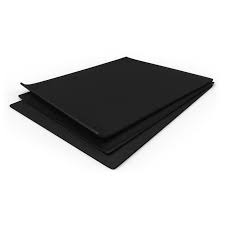
Neoprene vs. Natural Rubber
Neoprene and natural rubber are two common materials used to make different components. Finding the right material for the job is essential for maximizing the life span, durability and efficiency of each part. If you want to ensure your parts hold up to wear and tear, you’ll need to know the difference between neoprene and rubber.Read more -
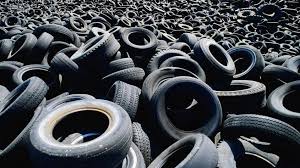
Understanding Chloroprene and Neoprene
Let’s look at each of these materials individually. This will help us set a solid foundation for comparing the properties and characteristics of the two materials.Read more -
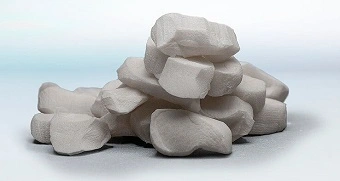
Chloroprene Rubber: Exploring the Main Applications Driving the Market Growth
In the dynamic arena of synthetic rubbers, chloroprene rubber (CR), also known as neoprene, emerges as a standout material. Its evolution from a specialized oil-resistant alternative to natural rubber into a fundamental element across various industries is a story of remarkable versatility and inherent strengths.Read more -
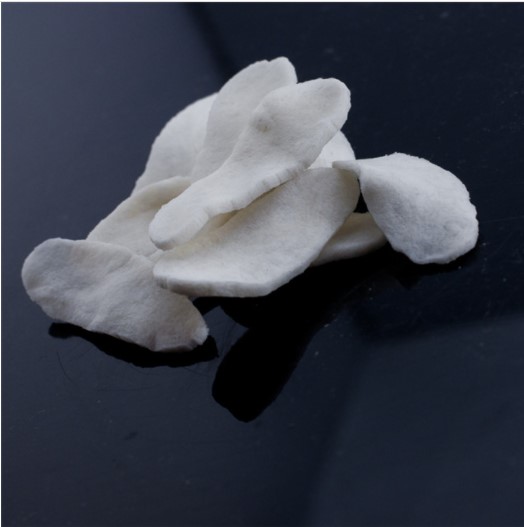
What is Chloroprene rubber?
Chloroprene is believed to be safe because it’s non-toxic. However, the fumes of Chloroprene can irritate the eyes, nose, and throat. Furthermore, prolonged or high-dose exposure might harm the liver, kidneys, and lungs. Contact with this chemical should be limited as much as possible because it is also considered carcinogenic to humans.Read more
 Russian
  English
  Arabic
  Bengali
  French
  Indonesian
  Italian
  Portuguese
  Spanish
  Vietnamese