
-
New Breakthrough in Synthetic Rubber Production
In a major development for the rubber industry, scientists have announced a groundbreaking method for producing synthetic rubber that promises to revolutionize the market. The new process, developed by a team of researchers at a leading chemical engineering institute, is set to significantly reduce production costs and environmental impact, while also improving the quality and performance of the final product.Read more -
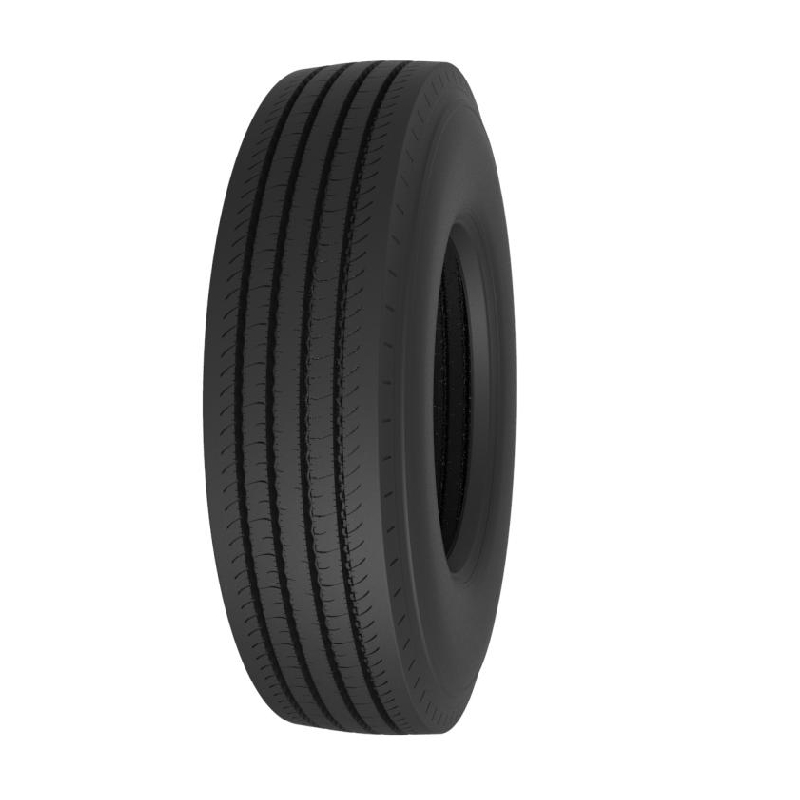
Synthetic Rubber Market Set for Growth with Technological Advancements
The global synthetic rubber market is poised for significant growth as manufacturers continue to invest in technological advancements to enhance product performance and meet evolving market demands.Read more -
Synthetic Rubber Industry Embraces Sustainable Practices
The synthetic rubber industry is undergoing a significant transformation as manufacturers increasingly adopt sustainable practices in response to growing environmental concerns. With the demand for eco-friendly and renewable materials on the rise, companies are investing in innovative technologies and processes to reduce their carbon footprint and minimize environmental impact.Read more -
Toxicity of Chloroprene
Chloroprene, 2-chloro-1,3-butadiene, is a colorless, volatile synthetic liquid that has a pungent ether-like odor. Synthesis of chloroprene was first reported by chemists of the E. I. du Pont de Nemours Company in 1931 following studies of acetylene polymerization with the objective of producing synthetic rubber.Read more -
What is chloroprene, and why is it dangerous?
Asbestos and other suspected carcinogens have caused a lot of illness and uproar in the Bayou State. Pollution levels and uses of construction materials that can harm the lungs, heart and skin have been the subject of Louisiana lawsuits for more than five decades. One specific chemical is getting a lot of mentions in Baton Rouge and courts all over the state.Read more -
WHAT IS CHLOROPRENE RUBBER?
Put simply, Chloroprene Rubber is a type of foamed synthetic rubber (Also called: neoprene or polychloroprene). In technical terms,Chloroprene Rubber is a t ype of polymer (a large molecule composed of repeating structural units) known as polychloroprene that is produced by the polymerization (chemical reaction) of chloroprene (an organic compound of colorless liquid with the formula CH2=CCl-CH=CH2). Chloroprene is the monomer in this process (a molecule that binds chemically to other molecules to form a polymer).Read more -
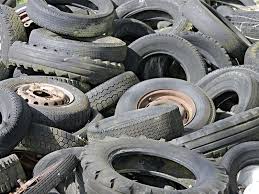
Global Chloroprene Rubber Market Worth USD 1577.12 Million By 2030 | CAGR of 4.78%
The monomer required to create the polymer polychloroprene is chloroprene, an invisible liquid. Colourful synthetic rubber called polychloroprene is available. The primary properties of this synthetic rubber include high elasticity, solvent, heat, perspiration, adhesion to various surfaces, and weather ageing. Chloroprene rubber (CR), also referred to as Neoprene, was one of the first synthetic rubbers to be oil-resistant.Read more -
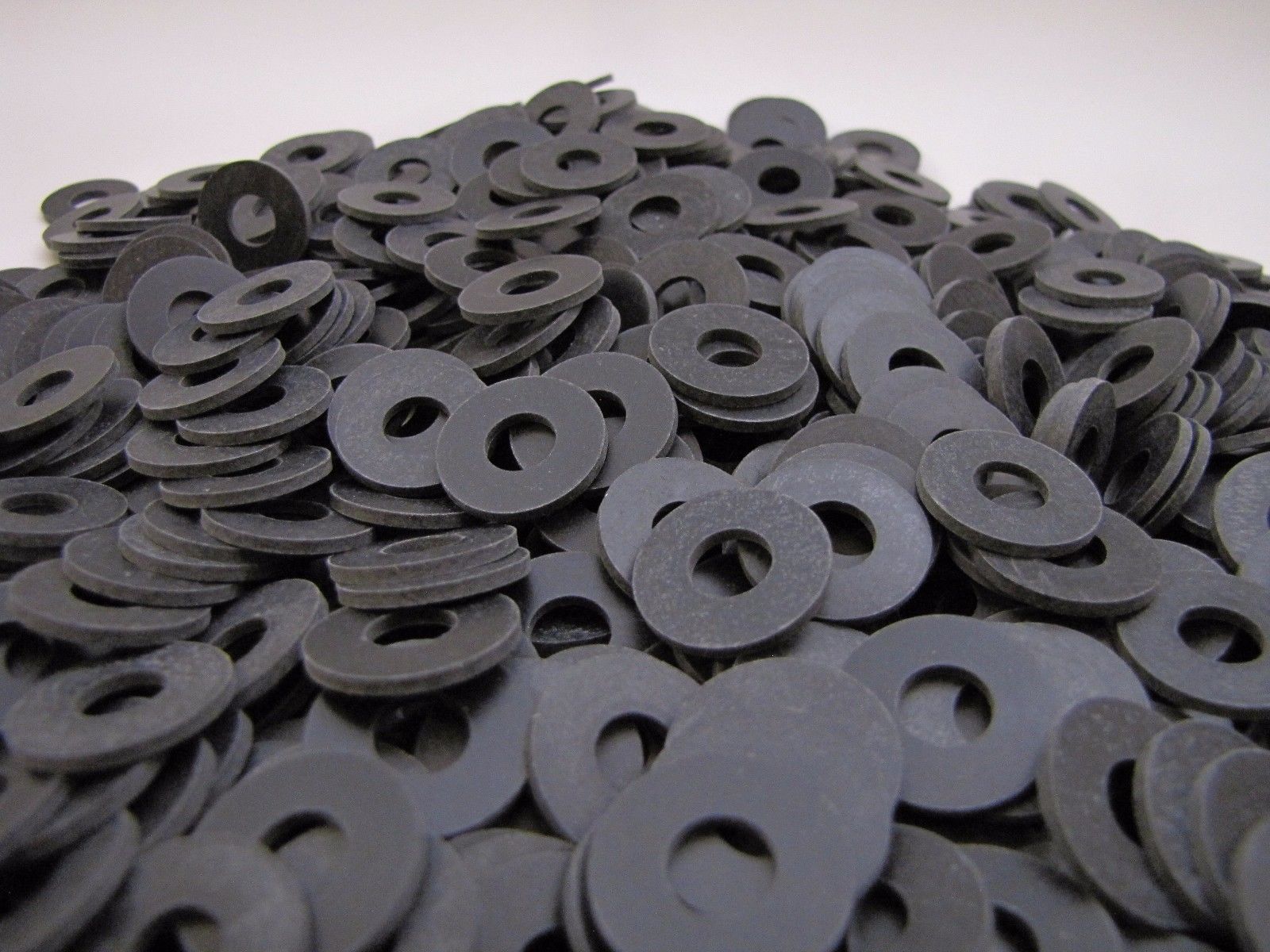
Specifications of Chloroprene/Neoprene
Chloroprene is a synthetic rubber produced by polymerizing chlorine-containing monomers and unsaturated carbon bonds known for its versatility and durability. The properties of Chloroprene, also knows by the brand name Neoprene, has a good balance of tensile strength, tear strength, and abrasion resistance.Read more -

Chloroprene 101: What It Is and Why It Is a Concern
When someone is trying to improve their health and when they are trying to support and protect the planet, there’s a common strategy in both cases: making little changes over time that add up to a large impact.Read more -
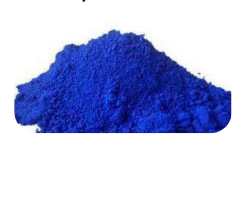
What is Chloroprene? chloroprene rubber
Chloroprene (aka branded 'Neoprene') is the common name for the organic compound 2-chlorobuta-1,3-diene. This colourless liquid is the monomer for the production of the polymer polychloroprene, a type of synthetic rubber.Read more -

What Is Nicotinamide? nicotinic acid
Nicotinamide can help maintain healthy B3 levels and is often used to treat niacin deficiency, which is more common in certain populations, such as people who have eating disorders or have a low dietary intake of niacin-rich foods.Read more -

Can niacin lead to liver damage? nicotinic acid
Higher doses of niacin can help lower cholesterol, but long-term treatment with niacin — particularly with extended-release forms — may damage the liver.Read more
 Vietnamese
  English
  Arabic
  Bengali
  French
  Indonesian
  Italian
  Portuguese
  Russian
  Spanish